Buy base-jumping.eu ?
We are moving the project
base-jumping.eu .
Are you interested in purchasing the domain
base-jumping.eu ?
domain@kv-gmbh.de · 0541-91531010
Buy base-jumping.eu ?
What is an electrophilic reaction?
An electrophilic reaction is a type of chemical reaction where an electrophile, which is a species that seeks electrons, reacts with a nucleophile, which is a species that donates electrons. The electrophile accepts a pair of electrons from the nucleophile, leading to the formation of a new chemical bond. This type of reaction is common in organic chemistry and is often used to introduce new functional groups onto a molecule. **
Is water electrophilic or nucleophilic?
Water is considered nucleophilic because it has a lone pair of electrons on the oxygen atom, which can be donated to an electrophile in a chemical reaction. This lone pair of electrons allows water to act as a nucleophile, meaning it can attack positively charged or electron-deficient species in a chemical reaction. **

Similar search terms for Electrophilic
Top-Angebote
Products related to Electrophilic:
-
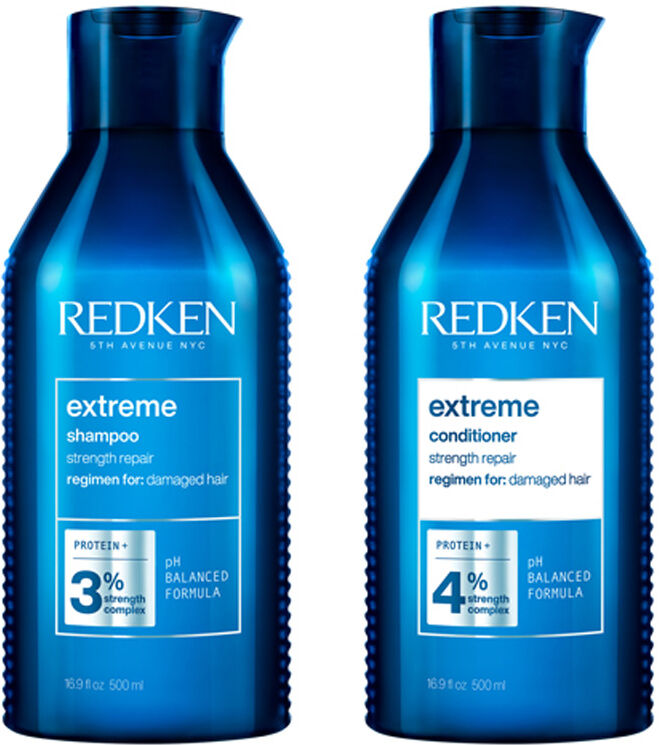
Redken Extreme Length Shampoo 300ml & Extreme Conditioner 300mlRedken Extreme Length Shampoo 300ml Imbued with bioten, Redken’s Extreme Length Shampoo gently cleanses and fortifies damaged hair, and helps it grow longer and stronger. Expertly formulated, this powerhouse shampoo also protects lengths and prevents breakage.Use the full Redken Extreme Length System, including Shampoo, Conditioner and Length Sealer Leave-in Treatment to achieve even better results and reduce breakage by 81%.Extreme Conditioner 300mlOne of Redken’s best-selling formulas, the Extreme Conditioner repairs damage, treating the root, core and tip of the hair. Boasting the brand’s unique Strength Complex with amino acids and citric acid, this restorative, fortifying conditioner boosts hair’s suppleness, resilience and shine. Ideal for damaged hair.Ingredients:Redken Extreme Length Shampoo 300Ml Aqua / Water / Eau, Sodium Laureth Sulfate, Sodium Chloride, Cocamidopropyl Betaine, Citric Acid. Sodium Hydroxide, Parfum / Fragrance, Propylene Glycol, Polyquaternium-10, Sodium Benzoate, Hexylene Glycol, Salicylic Acid, Benzyl Benzoate, Limonene, Benzyl Alcohol, Linalool, 2-Oleamido-1,3-Octadecanediol, BiotinExtreme Conditioner 300MlAqua / Water / Eau, Cetearyl Alcohol, Behentrimonium Chloride, Glycerin, Cetyl Esters, Isopropyl Myristate, Isopropyl Alcohol, Phenoxyethanol, Parfum / Fragrance, Lauryl Peg/Ppg-18/18 Methicone, Cetyl Alcohol, Isostearyl Alcohol, Sodium Cocoyl Amino Acids, Behentrimonium Methosulfate, Citric Acid, Chlorhexidine Digluconate, Quaternium-33, Potassium Dimethicone Peg-7 Panthenyl Phosphate, Sodium Sarcosinate, Propylene Glycol, Benzyl Benzoate, Arginine, 2-Oleamido-1,3-Octadecanediol, Hydrolyzed Soy Protein, Hydrolyzed Vegetable Protein Pg-Propyl Silanetriol, Tetrasodium Edta, Potassium Sorbate36,75 £*Shipping: 0,00 £Secure redirect to the provider
-
Trouble Maker On The Loose Setting Powder finishing powder shade Flight Risk Light 5 gTrouble Maker On The Loose Setting Powder, 5 g, Powders for Women, Make sure your makeup lasts longer and has a perfect finish. The Trouble Maker On The Loose Setting Powder powder sets makeup to prevent it from smudging and settling in wrinkles. It also controls excessive sebum, preventing problem areas from becoming overly shiny. It leaves your skin beautifully soft, matt and velvety, while the natural blurring effect helps visually conceal overly visible pores and other skin imperfections. Characteristics: mattifies skin perfectly absorbs excess oil without drying the skin extends the wear of your foundation Ingredients: vegan product How to use: Set your makeup using a sponge or brush.3,30 £*Shipping: 3,99 £Secure redirect to the provider
-
Estée Lauder Sumptuous Extreme Lash Multiplying Volume Mascara 01 Extreme BlackA mascara. Its formula with Extreme Bold Volume technology™ combines 3 types of fibers in a light mousse texture, enriched with the Lash-Advancing vitamin complex for a careful and extreme volume eyelashes. Apply from the roots with upward movements until the tips of the eyelashes.32,18 £*Shipping: 5,34 £Secure redirect to the provider




-
What is electrophilic addition in chemistry?
Electrophilic addition is a type of chemical reaction where an electrophile (an electron-deficient species) reacts with a nucleophile (an electron-rich species) to form a new molecule. This reaction typically occurs with unsaturated compounds like alkenes or alkynes, where the pi bond is broken and new sigma bonds are formed. Electrophilic addition reactions are commonly seen in organic chemistry and are important in the synthesis of various organic compounds. **
-
What are nucleophilic and electrophilic reagents?
Nucleophilic reagents are molecules or ions that are electron-rich and are attracted to electron-deficient sites in other molecules. They donate a pair of electrons to form a new covalent bond. Electrophilic reagents, on the other hand, are electron-deficient species that are attracted to electron-rich sites in other molecules. They accept a pair of electrons to form a new covalent bond. Both types of reagents play important roles in organic chemistry reactions by participating in bond formation processes. **
-
What is the electrophilic addition 6?
Electrophilic addition 6 is a chemical reaction in which an electrophile (an electron-deficient species) adds to a double bond, resulting in the formation of two new single bonds. This type of reaction is commonly seen in the addition of hydrogen halides (such as HCl or HBr) to alkenes. The electrophile (in this case, the hydrogen halide) is attracted to the electron-rich double bond and adds across it, breaking the π bond and forming two new σ bonds. This type of reaction is important in organic chemistry for the synthesis of various organic compounds. **
-
Why do aromatics not undergo electrophilic addition?
Aromatics do not undergo electrophilic addition because of their stability and the delocalization of their pi electrons. The delocalized pi electrons in the aromatic ring create a stable electron cloud, making it difficult for electrophiles to attack and break the aromatic system. Instead, aromatics typically undergo electrophilic substitution reactions, where an electrophile substitutes for a hydrogen atom on the aromatic ring, while the aromatic system remains intact. This stability and resistance to electrophilic addition is a key characteristic of aromatic compounds and is a result of their unique bonding and electron distribution. **
Doesn't electrophilic addition always occur during esterification?
No, electrophilic addition does not always occur during esterification. Esterification is a chemical reaction between an alcohol and a carboxylic acid to form an ester and water. This reaction involves the nucleophilic substitution of the hydroxyl group of the alcohol with the carboxyl group of the carboxylic acid, rather than electrophilic addition. The reaction is catalyzed by an acid, such as sulfuric acid or hydrochloric acid, which helps to protonate the hydroxyl group and make it a better leaving group. Therefore, esterification does not involve electrophilic addition. **
What is electrophilic aromatic substitution in double bonds?
Electrophilic aromatic substitution in double bonds is a chemical reaction in which an electrophile (an electron-deficient species) replaces a hydrogen atom on an aromatic ring that contains a double bond. This reaction is similar to electrophilic aromatic substitution in single bonds, but it specifically targets the double bond in the aromatic ring. The electrophile attacks the double bond, forming a new bond and displacing the hydrogen atom. This reaction is important in organic chemistry for the synthesis of various aromatic compounds. **
Top-Angebote
Products related to Electrophilic:
-
Scholastic True Books A True Book: The Earth at Risk Value PackThere are five major biomes on Earth: desert, forest, grassland, aquatic, and tundra. These rich, wild places are home to a wide variety of plants and animals - many of which are found nowhere else. Unfortunately, these ecosystems have been put at...32,99 $*Shipping: 0,00 $Secure redirect to the provider
-
Redken Extreme Length Shampoo 300ml & Extreme Conditioner 300mlRedken Extreme Length Shampoo 300ml Imbued with bioten, Redken’s Extreme Length Shampoo gently cleanses and fortifies damaged hair, and helps it grow longer and stronger. Expertly formulated, this powerhouse shampoo also protects lengths and prevents breakage.Use the full Redken Extreme Length System, including Shampoo, Conditioner and Length Sealer Leave-in Treatment to achieve even better results and reduce breakage by 81%.Extreme Conditioner 300mlOne of Redken’s best-selling formulas, the Extreme Conditioner repairs damage, treating the root, core and tip of the hair. Boasting the brand’s unique Strength Complex with amino acids and citric acid, this restorative, fortifying conditioner boosts hair’s suppleness, resilience and shine. Ideal for damaged hair.Ingredients:Redken Extreme Length Shampoo 300Ml Aqua / Water / Eau, Sodium Laureth Sulfate, Sodium Chloride, Cocamidopropyl Betaine, Citric Acid. Sodium Hydroxide, Parfum / Fragrance, Propylene Glycol, Polyquaternium-10, Sodium Benzoate, Hexylene Glycol, Salicylic Acid, Benzyl Benzoate, Limonene, Benzyl Alcohol, Linalool, 2-Oleamido-1,3-Octadecanediol, BiotinExtreme Conditioner 300MlAqua / Water / Eau, Cetearyl Alcohol, Behentrimonium Chloride, Glycerin, Cetyl Esters, Isopropyl Myristate, Isopropyl Alcohol, Phenoxyethanol, Parfum / Fragrance, Lauryl Peg/Ppg-18/18 Methicone, Cetyl Alcohol, Isostearyl Alcohol, Sodium Cocoyl Amino Acids, Behentrimonium Methosulfate, Citric Acid, Chlorhexidine Digluconate, Quaternium-33, Potassium Dimethicone Peg-7 Panthenyl Phosphate, Sodium Sarcosinate, Propylene Glycol, Benzyl Benzoate, Arginine, 2-Oleamido-1,3-Octadecanediol, Hydrolyzed Soy Protein, Hydrolyzed Vegetable Protein Pg-Propyl Silanetriol, Tetrasodium Edta, Potassium Sorbate36,75 £*Shipping: 0,00 £Secure redirect to the provider
-
Trouble Maker On The Loose Setting Powder finishing powder shade Flight Risk Light 5 gTrouble Maker On The Loose Setting Powder, 5 g, Powders for Women, Make sure your makeup lasts longer and has a perfect finish. The Trouble Maker On The Loose Setting Powder powder sets makeup to prevent it from smudging and settling in wrinkles. It also controls excessive sebum, preventing problem areas from becoming overly shiny. It leaves your skin beautifully soft, matt and velvety, while the natural blurring effect helps visually conceal overly visible pores and other skin imperfections. Characteristics: mattifies skin perfectly absorbs excess oil without drying the skin extends the wear of your foundation Ingredients: vegan product How to use: Set your makeup using a sponge or brush.3,30 £*Shipping: 3,99 £Secure redirect to the provider
-
What is an electrophilic reaction?
An electrophilic reaction is a type of chemical reaction where an electrophile, which is a species that seeks electrons, reacts with a nucleophile, which is a species that donates electrons. The electrophile accepts a pair of electrons from the nucleophile, leading to the formation of a new chemical bond. This type of reaction is common in organic chemistry and is often used to introduce new functional groups onto a molecule. **
-
Is water electrophilic or nucleophilic?
Water is considered nucleophilic because it has a lone pair of electrons on the oxygen atom, which can be donated to an electrophile in a chemical reaction. This lone pair of electrons allows water to act as a nucleophile, meaning it can attack positively charged or electron-deficient species in a chemical reaction. **
-
What is electrophilic addition in chemistry?
Electrophilic addition is a type of chemical reaction where an electrophile (an electron-deficient species) reacts with a nucleophile (an electron-rich species) to form a new molecule. This reaction typically occurs with unsaturated compounds like alkenes or alkynes, where the pi bond is broken and new sigma bonds are formed. Electrophilic addition reactions are commonly seen in organic chemistry and are important in the synthesis of various organic compounds. **
-
What are nucleophilic and electrophilic reagents?
Nucleophilic reagents are molecules or ions that are electron-rich and are attracted to electron-deficient sites in other molecules. They donate a pair of electrons to form a new covalent bond. Electrophilic reagents, on the other hand, are electron-deficient species that are attracted to electron-rich sites in other molecules. They accept a pair of electrons to form a new covalent bond. Both types of reagents play important roles in organic chemistry reactions by participating in bond formation processes. **
Similar search terms for Electrophilic
-
Estée Lauder Sumptuous Extreme Lash Multiplying Volume Mascara 01 Extreme BlackA mascara. Its formula with Extreme Bold Volume technology™ combines 3 types of fibers in a light mousse texture, enriched with the Lash-Advancing vitamin complex for a careful and extreme volume eyelashes. Apply from the roots with upward movements until the tips of the eyelashes.32,18 £*Shipping: 5,34 £Secure redirect to the provider
-
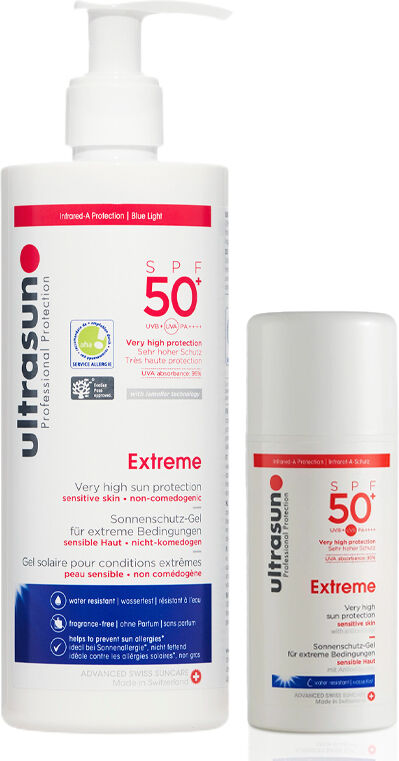
UltraSun Duo 50 SPF Extreme 400ml & SPF 50 SPF Extreme 100mlStock up and save with this supersize! UltraSun Ultra Sensitive Extreme SPF 50+ provides extremely high UVA/UVB protection and is fitted with an airless pump dispenser to prevent product deterioration and contamination. Key Benefits: - Enriched with antioxidants to nourish and protect skin - Water-resistant - No perfume, mineral oil, emulsifiers or preservatives - Paraben-free Optimum protection is given, especially under extreme sun conditions requiring particularly high sun protection. As an important antioxidant, the liposomal SOD, in combination with vitamin E, offers protection against free radicals and support the natural skin repair mechanism. Provitamin B5 has a long lasting moisturising effect on the skin and the active ingredient Bisabolol offers an anti-inflammatory and soothing effect. The product further is imbued with photostable UVA+UVB broad band filters and is extremely resistant to water and sweat. *Please note, Ultrasun are currently updating their product packaging to give it a fresh, new look. Packaging of this product is subject to variation from the visual shown.69,70 £*Shipping: 0,00 £Secure redirect to the provider
-
What is the electrophilic addition 6?
Electrophilic addition 6 is a chemical reaction in which an electrophile (an electron-deficient species) adds to a double bond, resulting in the formation of two new single bonds. This type of reaction is commonly seen in the addition of hydrogen halides (such as HCl or HBr) to alkenes. The electrophile (in this case, the hydrogen halide) is attracted to the electron-rich double bond and adds across it, breaking the π bond and forming two new σ bonds. This type of reaction is important in organic chemistry for the synthesis of various organic compounds. **
-
Why do aromatics not undergo electrophilic addition?
Aromatics do not undergo electrophilic addition because of their stability and the delocalization of their pi electrons. The delocalized pi electrons in the aromatic ring create a stable electron cloud, making it difficult for electrophiles to attack and break the aromatic system. Instead, aromatics typically undergo electrophilic substitution reactions, where an electrophile substitutes for a hydrogen atom on the aromatic ring, while the aromatic system remains intact. This stability and resistance to electrophilic addition is a key characteristic of aromatic compounds and is a result of their unique bonding and electron distribution. **
-
Doesn't electrophilic addition always occur during esterification?
No, electrophilic addition does not always occur during esterification. Esterification is a chemical reaction between an alcohol and a carboxylic acid to form an ester and water. This reaction involves the nucleophilic substitution of the hydroxyl group of the alcohol with the carboxyl group of the carboxylic acid, rather than electrophilic addition. The reaction is catalyzed by an acid, such as sulfuric acid or hydrochloric acid, which helps to protonate the hydroxyl group and make it a better leaving group. Therefore, esterification does not involve electrophilic addition. **
-
What is electrophilic aromatic substitution in double bonds?
Electrophilic aromatic substitution in double bonds is a chemical reaction in which an electrophile (an electron-deficient species) replaces a hydrogen atom on an aromatic ring that contains a double bond. This reaction is similar to electrophilic aromatic substitution in single bonds, but it specifically targets the double bond in the aromatic ring. The electrophile attacks the double bond, forming a new bond and displacing the hydrogen atom. This reaction is important in organic chemistry for the synthesis of various aromatic compounds. **
* All prices are inclusive of VAT and, if applicable, plus shipping costs. The offer information is based on the details provided by the respective shop and is updated through automated processes. Real-time updates do not occur, so deviations can occur in individual cases. ** Note: Parts of this content were created by AI.