Buy base-jumping.eu ?
We are moving the project
base-jumping.eu .
Are you interested in purchasing the domain
base-jumping.eu ?
domain@kv-gmbh.de · 0541-91531010
Buy base-jumping.eu ?
"Is bitumen toxic?"
Bitumen itself is not considered toxic, as it is a naturally occurring substance. However, exposure to bitumen fumes or dust can be harmful to human health, as it may cause irritation to the skin, eyes, and respiratory system. Additionally, prolonged exposure to bitumen fumes may increase the risk of developing certain types of cancer. It is important to take proper safety precautions when working with bitumen to minimize the risk of exposure. **
Can a base plaster adhere to a bitumen thick coating?
No, a base plaster cannot adhere to a bitumen thick coating. Bitumen is a highly adhesive and waterproof material, making it difficult for other materials to adhere to it. Additionally, bitumen can become brittle over time, further reducing its ability to bond with other materials. Therefore, it is not recommended to apply base plaster directly onto a bitumen thick coating. **

Similar search terms for Bitumen
Top-Angebote
Products related to Bitumen:
-
Can a base coat adhere to a bitumen thick coating?
Yes, a base coat can adhere to a bitumen thick coating. However, it is important to properly prepare the surface by cleaning it thoroughly and ensuring it is free of any contaminants that could affect adhesion. Additionally, using a primer or bonding agent specifically designed for bitumen surfaces can help improve the adhesion of the base coat. Proper application techniques and allowing sufficient drying time between coats are also crucial for a strong bond between the base coat and the bitumen coating. **
-
How is bitumen produced?
Bitumen is produced through a process called fractional distillation, which separates crude oil into its various components based on their different boiling points. During this process, the heaviest and thickest components of crude oil, including bitumen, are separated and collected. Bitumen can also be produced through a method called steam distillation, where steam is injected into the crude oil reservoir to heat and separate the bitumen from the surrounding rock. Once extracted, bitumen is further processed and refined to remove impurities and produce the final product used for various applications such as road construction and waterproofing. **
-
What is bitumen applied with?
Bitumen is typically applied with a specialized machine called a bitumen sprayer or distributor. This machine evenly sprays or spreads the bitumen onto the surface being treated, such as roads or roofs. The bitumen is heated to a high temperature to make it easier to apply and ensure proper adhesion to the surface. The use of a bitumen sprayer helps to achieve a smooth and durable finish. **
-
Can bitumen be painted over?
Yes, bitumen can be painted over with certain types of paint. However, it is important to properly clean and prepare the surface before painting to ensure adhesion. It is recommended to use a paint specifically designed for use on bitumen surfaces to achieve the best results and long-lasting finish. Additionally, it is advisable to consult with a professional to determine the most suitable paint and application method for your specific project. **
What is a bitumen membrane?
A bitumen membrane is a type of waterproofing material commonly used in construction to protect buildings and structures from water damage. It is made from a mixture of bitumen, which is a sticky, black, and highly viscous liquid or semi-solid form of petroleum, and various other materials such as fiberglass or polyester. Bitumen membranes are applied to surfaces such as roofs, foundations, and basements to create a durable and impermeable barrier against water infiltration. They are available in different forms, including self-adhesive sheets, torch-on membranes, and liquid-applied coatings, and are known for their long-lasting and reliable waterproofing properties. **
Does acrylic paint adhere to bitumen?
Acrylic paint does not adhere well to bitumen. Bitumen is a petroleum-based substance that is not porous, making it difficult for acrylic paint to bond with it. To ensure proper adhesion, it is recommended to use a primer specifically designed for non-porous surfaces before applying acrylic paint on bitumen. **
Top-Angebote
Products related to Bitumen:
-
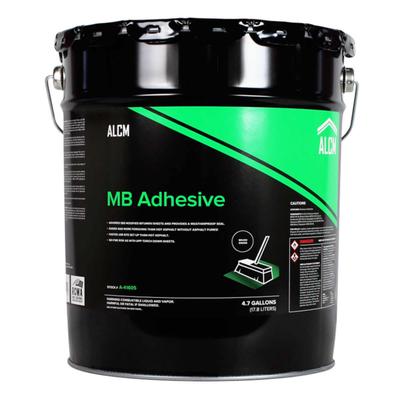
ALCM Modified Bitumen Adhesive Brush GradeALCM Modified Bitumen Adhesive is a fibrated and SBS-modified asphalt adhesive that is designed for adhering SBS-modified rolls and cap sheets. It is also used to adhere to asphalt-coated base sheets. The ALCM Modified Bitumen Adhesive will bond the...56,56 $*Shipping: 0,00 $Secure redirect to the provider
-
ALCM Modified Bitumen Adhesive Trowel GradeALCM Modified Bitumen Adhesive is a fibrated and SBS-modified asphalt adhesive that is designed for adhering SBS-modified rolls and cap sheets. It is also used to adhere to asphalt-coated base sheets. The ALCM Modified Bitumen Adhesive will bond the...56,10 $*Shipping: 0,00 $Secure redirect to the provider
-
"Is bitumen toxic?"
Bitumen itself is not considered toxic, as it is a naturally occurring substance. However, exposure to bitumen fumes or dust can be harmful to human health, as it may cause irritation to the skin, eyes, and respiratory system. Additionally, prolonged exposure to bitumen fumes may increase the risk of developing certain types of cancer. It is important to take proper safety precautions when working with bitumen to minimize the risk of exposure. **
-
Can a base plaster adhere to a bitumen thick coating?
No, a base plaster cannot adhere to a bitumen thick coating. Bitumen is a highly adhesive and waterproof material, making it difficult for other materials to adhere to it. Additionally, bitumen can become brittle over time, further reducing its ability to bond with other materials. Therefore, it is not recommended to apply base plaster directly onto a bitumen thick coating. **
-
Can a base coat adhere to a bitumen thick coating?
Yes, a base coat can adhere to a bitumen thick coating. However, it is important to properly prepare the surface by cleaning it thoroughly and ensuring it is free of any contaminants that could affect adhesion. Additionally, using a primer or bonding agent specifically designed for bitumen surfaces can help improve the adhesion of the base coat. Proper application techniques and allowing sufficient drying time between coats are also crucial for a strong bond between the base coat and the bitumen coating. **
-
How is bitumen produced?
Bitumen is produced through a process called fractional distillation, which separates crude oil into its various components based on their different boiling points. During this process, the heaviest and thickest components of crude oil, including bitumen, are separated and collected. Bitumen can also be produced through a method called steam distillation, where steam is injected into the crude oil reservoir to heat and separate the bitumen from the surrounding rock. Once extracted, bitumen is further processed and refined to remove impurities and produce the final product used for various applications such as road construction and waterproofing. **
Similar search terms for Bitumen
-
What is bitumen applied with?
Bitumen is typically applied with a specialized machine called a bitumen sprayer or distributor. This machine evenly sprays or spreads the bitumen onto the surface being treated, such as roads or roofs. The bitumen is heated to a high temperature to make it easier to apply and ensure proper adhesion to the surface. The use of a bitumen sprayer helps to achieve a smooth and durable finish. **
-
Can bitumen be painted over?
Yes, bitumen can be painted over with certain types of paint. However, it is important to properly clean and prepare the surface before painting to ensure adhesion. It is recommended to use a paint specifically designed for use on bitumen surfaces to achieve the best results and long-lasting finish. Additionally, it is advisable to consult with a professional to determine the most suitable paint and application method for your specific project. **
-
What is a bitumen membrane?
A bitumen membrane is a type of waterproofing material commonly used in construction to protect buildings and structures from water damage. It is made from a mixture of bitumen, which is a sticky, black, and highly viscous liquid or semi-solid form of petroleum, and various other materials such as fiberglass or polyester. Bitumen membranes are applied to surfaces such as roofs, foundations, and basements to create a durable and impermeable barrier against water infiltration. They are available in different forms, including self-adhesive sheets, torch-on membranes, and liquid-applied coatings, and are known for their long-lasting and reliable waterproofing properties. **
-
Does acrylic paint adhere to bitumen?
Acrylic paint does not adhere well to bitumen. Bitumen is a petroleum-based substance that is not porous, making it difficult for acrylic paint to bond with it. To ensure proper adhesion, it is recommended to use a primer specifically designed for non-porous surfaces before applying acrylic paint on bitumen. **
* All prices are inclusive of VAT and, if applicable, plus shipping costs. The offer information is based on the details provided by the respective shop and is updated through automated processes. Real-time updates do not occur, so deviations can occur in individual cases. ** Note: Parts of this content were created by AI.