Buy base-jumping.eu ?
We are moving the project
base-jumping.eu .
Are you interested in purchasing the domain
base-jumping.eu ?
domain@kv-gmbh.de · 0541-91531010
Buy base-jumping.eu ?
What is the difference between base area, top area, and lateral surface area?
The base area is the area of the bottom surface of a three-dimensional shape, such as a cylinder or a prism. The top area is the area of the top surface of the shape. The lateral surface area is the combined area of all the side surfaces of the shape, excluding the top and bottom surfaces. In summary, the base area and top area refer to the individual areas of the bottom and top surfaces, while the lateral surface area refers to the combined area of all the side surfaces. **
Is there a difference between base area and lateral area?
Yes, there is a difference between base area and lateral area. The base area refers to the total surface area of the base of a three-dimensional shape, such as a prism or pyramid, while the lateral area refers to the total surface area of the sides of the shape. In other words, the base area is the area of the bottom of the shape, while the lateral area is the area of the sides. Together, the base area and lateral area make up the total surface area of the shape. **


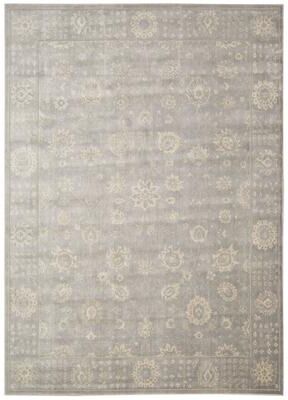
Similar search terms for Nourison-Luminance-LUM05-Area
Top-Angebote
Products related to Nourison-Luminance-LUM05-Area:
-
Nourison Luminance LUM02 Area RugTaking inspiration from the intricate geometrics of antiquity, with a modern approach to color and design, the rugs in the Luminance collection are made to appeal to wide variety of decors, both traditional and modern.889,00 $*Shipping: 0,00 $Secure redirect to the provider


-
What is the difference between base area and surface area?
The base area refers to the area of the bottom or the base of a three-dimensional shape, such as a prism or a cylinder. It is the area of the shape's bottom surface. On the other hand, the surface area refers to the total area of all the surfaces of a three-dimensional shape, including the base(s) and the lateral (side) surfaces. In other words, the surface area includes the base area as well as the area of the sides of the shape. **
-
Is there a difference between base area and lateral surface area?
Yes, there is a difference between base area and lateral surface area. The base area refers to the area of the bottom surface of a three-dimensional shape, such as a prism or pyramid. On the other hand, the lateral surface area refers to the combined area of all the sides of the shape excluding the base. In simpler terms, the base area is the area of the bottom surface, while the lateral surface area is the area of the sides of the shape. **
-
'How do I get from the base area to area A?'
To get from the base area to area A, you can follow the designated trails or paths that connect the two areas. Look for signs or maps that indicate the route to area A, and follow them to ensure you stay on the right path. If you're unsure, you can also ask a staff member or a park ranger for directions to area A from the base area. **
-
How is a TBE risk area defined?
A TBE risk area is defined based on the presence of the tick-borne encephalitis (TBE) virus in the local tick population. This is determined through surveillance and testing of ticks in a specific geographic area. If the virus is found to be present in the tick population, that area is considered a TBE risk area. Additionally, factors such as the density of infected ticks and the incidence of TBE cases in humans may also be considered in defining a TBE risk area. **

Can one calculate edge lengths from the surface area and base area?
Yes, it is possible to calculate edge lengths from the surface area and base area of a geometric shape. For example, in the case of a rectangular prism, the surface area can be calculated using the formula 2lw + 2lh + 2wh, where l, w, and h are the length, width, and height of the prism. The base area can be calculated as lw. By using these formulas and the given surface area and base area, one can solve for the edge lengths of the prism. Similarly, for other geometric shapes, there are specific formulas that can be used to calculate edge lengths from the surface area and base area. **
How do area and base length change?
The area of a shape changes as the base length changes. If the base length increases, the area will also increase, assuming the height remains constant. Conversely, if the base length decreases, the area will also decrease. This relationship is particularly evident in geometric shapes such as rectangles and triangles, where the area is directly proportional to the base length. **
Top-Angebote
Products related to Nourison-Luminance-LUM05-Area:
-
Nourison Luminance LUM01 Area RugTaking inspiration from the intricate geometrics of antiquity, with a modern approach to color and design, the rugs in the Luminance collection are made to appeal to wide variety of decors, both traditional and modern.428,00 $*Shipping: 0,00 $Secure redirect to the provider
-
What is the difference between base area, top area, and lateral surface area?
The base area is the area of the bottom surface of a three-dimensional shape, such as a cylinder or a prism. The top area is the area of the top surface of the shape. The lateral surface area is the combined area of all the side surfaces of the shape, excluding the top and bottom surfaces. In summary, the base area and top area refer to the individual areas of the bottom and top surfaces, while the lateral surface area refers to the combined area of all the side surfaces. **
-
Is there a difference between base area and lateral area?
Yes, there is a difference between base area and lateral area. The base area refers to the total surface area of the base of a three-dimensional shape, such as a prism or pyramid, while the lateral area refers to the total surface area of the sides of the shape. In other words, the base area is the area of the bottom of the shape, while the lateral area is the area of the sides. Together, the base area and lateral area make up the total surface area of the shape. **
-
What is the difference between base area and surface area?
The base area refers to the area of the bottom or the base of a three-dimensional shape, such as a prism or a cylinder. It is the area of the shape's bottom surface. On the other hand, the surface area refers to the total area of all the surfaces of a three-dimensional shape, including the base(s) and the lateral (side) surfaces. In other words, the surface area includes the base area as well as the area of the sides of the shape. **
-
Is there a difference between base area and lateral surface area?
Yes, there is a difference between base area and lateral surface area. The base area refers to the area of the bottom surface of a three-dimensional shape, such as a prism or pyramid. On the other hand, the lateral surface area refers to the combined area of all the sides of the shape excluding the base. In simpler terms, the base area is the area of the bottom surface, while the lateral surface area is the area of the sides of the shape. **
Similar search terms for Nourison-Luminance-LUM05-Area
-
Nourison Luminance LUM02 Area RugTaking inspiration from the intricate geometrics of antiquity, with a modern approach to color and design, the rugs in the Luminance collection are made to appeal to wide variety of decors, both traditional and modern.889,00 $*Shipping: 0,00 $Secure redirect to the provider
-
Nourison Luminance LUM06 Area RugTaking inspiration from the intricate geometrics of antiquity, with a modern approach to color and design, the rugs in the Luminance collection are made to appeal to wide variety of decors, both traditional and modern.889,00 $*Shipping: 0,00 $Secure redirect to the provider
-
Nourison Luminance LUM06 Area RugTaking inspiration from the intricate geometrics of antiquity, with a modern approach to color and design, the rugs in the Luminance collection are made to appeal to wide variety of decors, both traditional and modern.428,00 $*Shipping: 0,00 $Secure redirect to the provider
-
'How do I get from the base area to area A?'
To get from the base area to area A, you can follow the designated trails or paths that connect the two areas. Look for signs or maps that indicate the route to area A, and follow them to ensure you stay on the right path. If you're unsure, you can also ask a staff member or a park ranger for directions to area A from the base area. **
-
How is a TBE risk area defined?
A TBE risk area is defined based on the presence of the tick-borne encephalitis (TBE) virus in the local tick population. This is determined through surveillance and testing of ticks in a specific geographic area. If the virus is found to be present in the tick population, that area is considered a TBE risk area. Additionally, factors such as the density of infected ticks and the incidence of TBE cases in humans may also be considered in defining a TBE risk area. **
-
Can one calculate edge lengths from the surface area and base area?
Yes, it is possible to calculate edge lengths from the surface area and base area of a geometric shape. For example, in the case of a rectangular prism, the surface area can be calculated using the formula 2lw + 2lh + 2wh, where l, w, and h are the length, width, and height of the prism. The base area can be calculated as lw. By using these formulas and the given surface area and base area, one can solve for the edge lengths of the prism. Similarly, for other geometric shapes, there are specific formulas that can be used to calculate edge lengths from the surface area and base area. **
-
How do area and base length change?
The area of a shape changes as the base length changes. If the base length increases, the area will also increase, assuming the height remains constant. Conversely, if the base length decreases, the area will also decrease. This relationship is particularly evident in geometric shapes such as rectangles and triangles, where the area is directly proportional to the base length. **
* All prices are inclusive of VAT and, if applicable, plus shipping costs. The offer information is based on the details provided by the respective shop and is updated through automated processes. Real-time updates do not occur, so deviations can occur in individual cases. ** Note: Parts of this content were created by AI.